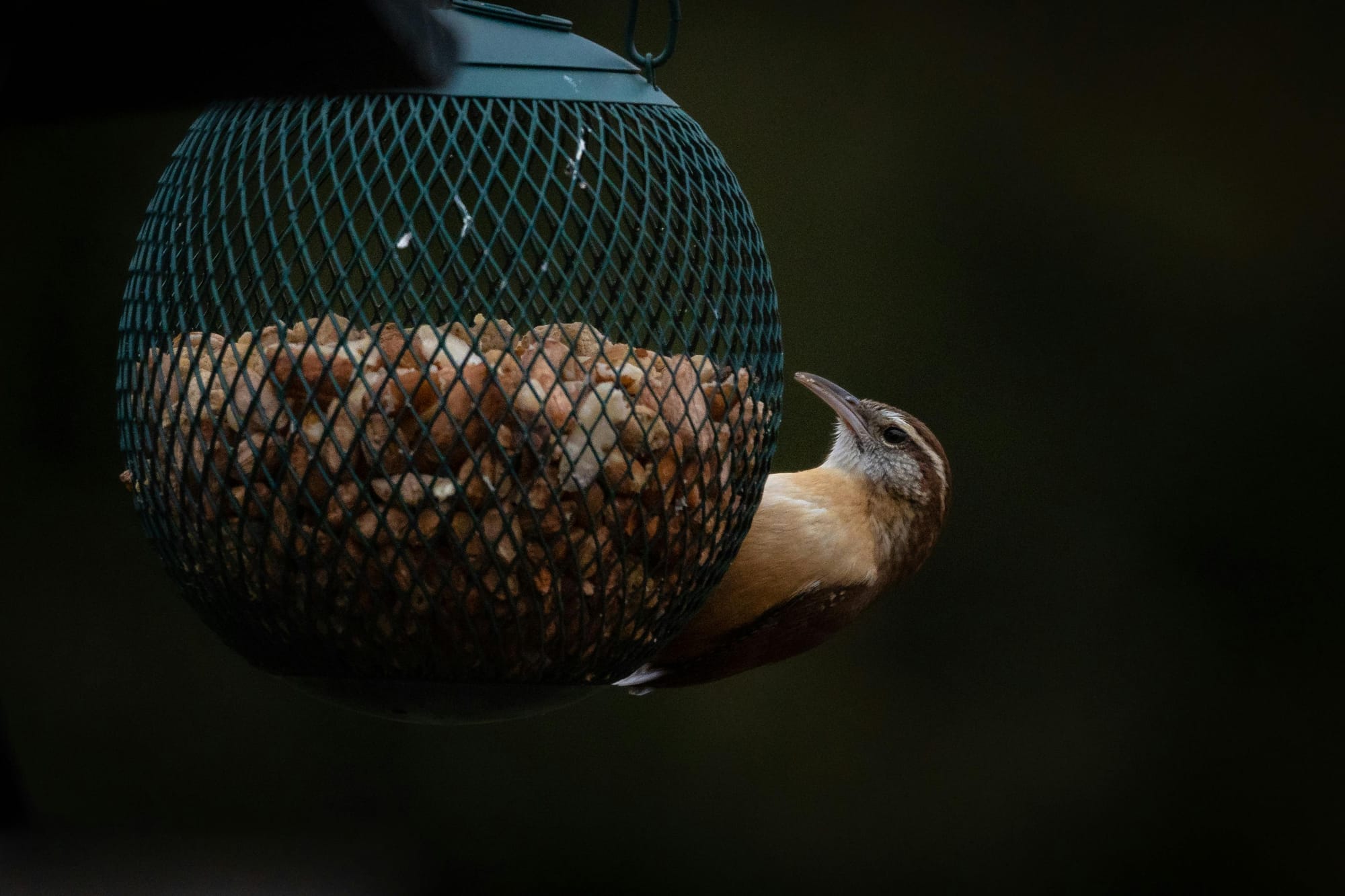
The Bird Feeder Mistake That Might Invite Rats into Your Garden
Ah, there’s nothing quite like watching those little feathered friends flit about in your garden, their chirps weaving through the air. I remember this simple pleasure from my days in Moscow, where feeding birds was a cherished pastime. My grandmother would tell me that "A clean house keeps rats away," and it's a lesson that has stuck with me even as I've made Edinburgh my home.
But here’s something to consider: while bird feeders are fantastic for attracting wildlife, they can also attract some unwelcome guests—rats. The Royal Society for the Prevention of Cruelty to Animals (RSPCA) reports that rat infestations in urban and suburban areas have surged by 30% over the past decade, partly due to improperly maintained bird feeders.
Let’s dive into this issue, explore common mistakes, and offer practical solutions to keep your garden a sanctuary for birds, not rats. After all, every corner of your garden tells a tale, and we want that story to be one of beauty and tranquility.
Understanding the Attraction
Rats are clever little critters. They’re opportunists who will seize any available food source. Bird feeders can become an easy meal for them, especially if you're not taking precautions. Think about it—birdseed is a major attractant. Rats have a keen sense of smell and can detect food from great distances. A bird feeder that spills seed onto the ground is like ringing a dinner bell for rats.
I once had a neighbor in Edinburgh who was an avid bird lover. He set up multiple feeders, but he never cleaned up the spilled seeds. Before long, his garden became a rat haven. It’s a cautionary tale that highlights the importance of proper maintenance.
The Mistake: Not Cleaning Up Spilled Seed
One of the biggest mistakes people make is not cleaning up spilled seed. Bird feeders often spill seeds onto the ground, creating a smorgasbord for rats. This can turn your garden into an unwelcome feeding station, attracting rats from far and wide.
To prevent this, it’s crucial to clean up any spilled seed regularly. Rake the area around your feeder daily or every other day to remove fallen seeds. You can even use these fallen seeds as compost in your garden instead of letting them become a feast for pests. It’s a win-win!
Choosing the Right Bird Feeder
Not all bird feeders are created equal when it comes to keeping rats at bay. Some types of feeders are more susceptible to rat infestations than others. For instance, open tray feeders and hopper feeders are easier for rats to access compared to tube feeders or suet feeders.
Tube feeders with a weight-activated mechanism can be a game-changer. These feeders close off the seed when a heavy animal like a rat lands on them, preventing them from accessing the food. Suet feeders, which hold blocks of fat mixed with seeds and nuts, are also less likely to attract rats because they require more effort for rats to extract the food.
Proper Placement of Bird Feeders
The location of your bird feeder can significantly impact its ability to attract or deter pests like rats. Placing feeders too close to buildings or trees provides rats with easy access and a pathway to reach the feeders.
To minimize this risk, position your bird feeders at least 10 feet away from any structures. This distance makes it harder for rats to climb or jump onto the feeder. Additionally, placing feeders in areas with open spaces around them can help deter pests as they prefer to stay hidden and are less likely to venture into exposed areas.
Using Baffles and Guards
Baffles and guards are excellent tools for keeping rodents away from bird feeders. These devices create a barrier that rats find difficult to climb, preventing them from reaching the feeder.
Consider installing a baffle above or below your feeder. A dome-shaped baffle placed above the feeder can prevent rats from climbing down onto it. Alternatively, a cone-shaped baffle below the feeder can stop rats from scaling up to reach the food. It’s like adding a little fortress to your bird feeding station!
Maintaining Cleanliness Around Feeders
Rats are attracted not only by birdseed but also by any leftover food or debris around your feeders. Regularly cleaning and maintaining the area around your bird feeders is essential in preventing rat infestations.
Sweep away fallen seeds, crumbs, and other debris from the ground beneath the feeder at least once a week. Wipe down the feeder itself with a mild disinfectant solution to remove any residue that might attract rats or contaminate birdseed. If you have multiple feeders, ensure each is maintained regularly. It’s a small price to pay for a rat-free garden.
Monitoring for Signs of Rats
Regularly inspect your garden and bird feeding area for signs of rat activity. Look out for droppings, gnawed wood, or damaged plants. Droppings are the most obvious sign; they look like small, dark pellets scattered around the feeder or nearby areas.
If you notice any of these signs, take immediate action to address the problem before it escalates. Use traps, poison, or natural repellents if necessary to eliminate the rats. Remember, prevention is always better than cure—so ensure that your garden remains a sanctuary for birds only!
Conclusion
A home filled with nature’s symphony can be a beautiful experience, but it requires vigilance and care. By avoiding common mistakes such as not cleaning up spilled seed, choosing the right bird feeder, placing feeders strategically, using baffles and guards, maintaining cleanliness, and monitoring for signs of rats, you can keep your garden free from unwanted pests.
Let’s embrace sustainability in our gardens by taking small steps towards a cleaner, safer environment. Remember, as my grandmother used to say, "A stitch in time saves nine." Start with these simple steps today and enjoy the beauty of nature without the worry of rat infestations.
So, let’s make our gardens havens for birds, not rats. Act now and ensure your garden remains a sanctuary for all the right reasons!
Related: Affordable Staging Tricks to Make Your Home Look More Expensive | 55 Clever & Useful Things to Enhance Your Home and Life | Top Home-Based Businesses to Launch in 2026: Unlock Your Potential | Top Construction Stocks To Add to Your Watchlist – April 4th
Enjoyed this? Enter your email for a weekly digest from Growinggreens Blog.