Chernobyl Today: A Photographic Journey
Forty years have passed since the world’s worst nuclear disaster shook the foundations of Pripyat. The explosion at reactor number four of the Chernobyl Nuclear Power Plant on 26 April 1986 sent shockwaves that echoed around the globe, leaving behind a landscape forever scarred by radioactive contamination. The exclusion zone, sprawling over about 2,600 square kilometers, remains largely uninhabited, but nature has taken the reins and created an eerie yet captivating ecosystem where wildlife thrives amidst the remnants of human life.
Adam Higginbotham, a journalist who has visited Chernobyl multiple times, shares a unique perspective on what the site is like today. He describes it as a place of fascinating contradictions—where decay and rebirth coexist in a delicate dance. But let’s dive deeper into this ghostly world to understand its complexities.
The Ghost Town of Pripyat
The once-bustling city of Pripyat, home to nearly 50,000 people before the disaster, now stands as a silent witness to the past. Abandoned buildings, overgrown with vegetation, cast an eerie spell over the landscape. One of the most iconic images is the Ferris wheel in the amusement park, frozen in time. It’s a poignant reminder of the lives that were so abruptly interrupted.
In those early days after the explosion, Soviet authorities acted swiftly to evacuate residents, leaving behind personal belongings and cherished mementos. Today, these artifacts offer a glimpse into the lives of those who once called Pripyat home. Photographs scattered across abandoned tables, toys left in playrooms, and half-eaten meals on kitchen counters create a haunting tableau of everyday life that was suddenly put on pause.
I remember visiting an old friend’s house in Moscow as a child, where family photos lined the walls and every corner told a story. In Pripyat, those stories are now frozen, waiting to be discovered by the curious few who venture into this ghostly city.
The New Safe Confinement
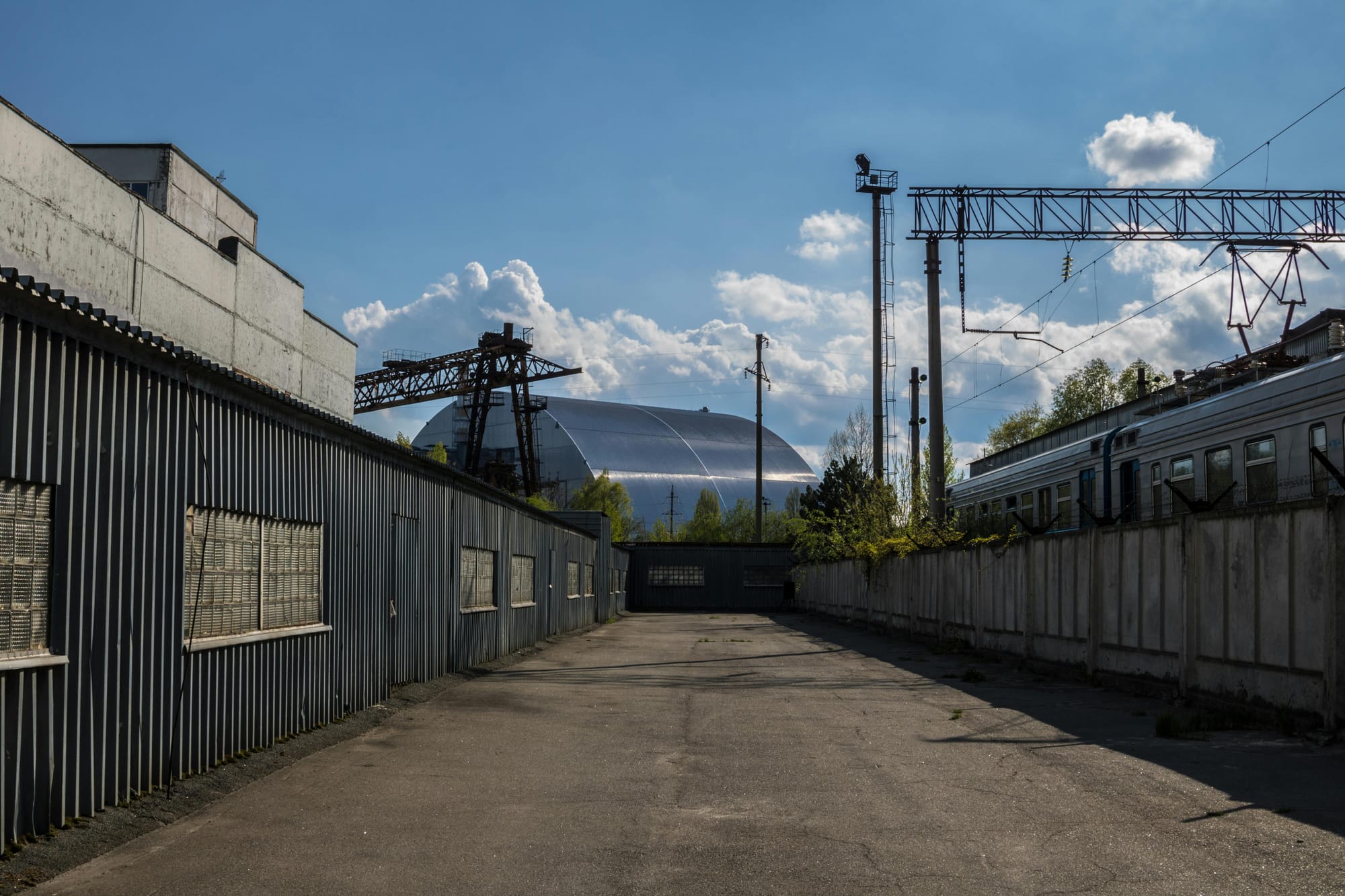
One of the most significant developments at Chernobyl is the construction of the New Safe Confinement (NSC). This massive steel arch, completed in 2016, stands as a testament to human ingenuity and resilience. Spanning 257 meters wide and 108 meters tall, it’s one of the largest movable structures ever built.
The NSC encapsulates the old sarcophagus that was hastily erected after the disaster, providing a controlled environment for ongoing decontamination efforts. Inside, robots and remotely operated vehicles work tirelessly to dismantle the damaged reactor, ensuring the site remains safe for future generations. It’s a marvel of engineering, a stark contrast to the decaying buildings outside.
Imagine the ingenuity required to build such a structure in an area still contaminated by radiation! It’s a bit like trying to fix a leaky roof while standing on a slippery, unstable ladder. But they did it, and that’s a testament to human determination.
Nature's Reclamation
Despite the persistent threat of radiation, nature has reclaimed much of the Chernobyl exclusion zone. The area is now a unique ecosystem where wildlife flourishes in the absence of human interference. Scientists have documented a remarkable resurgence of plant and animal life, including rare species like the European bison and the Eurasian lynx.
One such example is the Przewalski's horse, an endangered species that was reintroduced to the exclusion zone in 1998. These horses now roam freely, contributing to the biodiversity of the area. The absence of human activity has allowed nature to take its course, creating a delicate balance between the remnants of industrialization and the wild.
It’s almost like a reverse Garden of Eden, where instead of humans being expelled, they left on their own accord, allowing nature to reclaim what was once hers. It’s both beautiful and unsettling, isn’t it?
The Human Factor
While much of Chernobyl remains off-limits to humans, some areas have seen a resurgence of limited human activity. In 2016, a small group of residents returned to the village of Kropivnytskyi within the exclusion zone, seeking solace in the tranquility and simplicity of rural life.
These "self-settlers" face significant challenges due to radiation exposure but also find comfort in the quietude. Their presence adds another layer of complexity to Chernobyl’s narrative—one that blends human resilience with the haunting echoes of a catastrophic past. It’s a story of defiance against the odds, where people choose to live in a place that many have abandoned.
I often think about how different my life would have been if I had grown up in Ukraine or Belarus instead of Moscow. The Chernobyl disaster is a stark reminder that our actions have consequences far beyond our immediate surroundings. It’s a lesson we should never forget.
The Future of Chernobyl
Looking ahead, the future of Chernobyl remains uncertain. Ongoing decontamination efforts and scientific research continue to shed light on the long-term effects of radiation exposure. Meanwhile, the site serves as a poignant reminder of the consequences of nuclear accidents and the importance of sustainable energy solutions.
As we mark four decades since the disaster, it’s essential to reflect on the lessons learned from Chernobyl. The resilience of nature and the human spirit offer hope amidst the devastation. It reminds us that even in the darkest moments, life finds a way to thrive.
When I think about the future, I’m reminded of an old Russian proverb: "Not everything that is good comes quickly." It’s a fitting sentiment for Chernobyl, where recovery is a slow but steady process.
A Personal Reflection
Growing up in Moscow during the 1980s, the news of the Chernobyl disaster reached us like a distant storm cloud, casting an eerie shadow over everyday life. As children, we were taught to fear radiation and to appreciate the beauty of nature without taking it for granted. Living in Edinburgh now, I often reflect on how different my life might have been if I had grown up closer to Chernobyl.
The disaster is a reminder that our actions have far-reaching consequences. Every corner tells a tale—a story of resilience and the enduring spirit of humanity. It’s a lesson we should carry with us as we navigate the challenges of the future.
Conclusion
Chernobyl today stands as a poignant testament to the resilience of nature and human ingenuity. As we reflect on the 40th anniversary of this tragic event, it is crucial to take small steps towards sustainability. By embracing renewable energy sources and advocating for stricter safety measures in nuclear power plants, we can honor the memory of those affected by Chernobyl.
Let us remember that every action counts. From reducing our carbon footprint to supporting sustainable practices, each step brings us closer to a future where such disasters are but a distant memory. So, let’s act now and ensure that the stories told in Chernobyl become lessons learned rather than tragedies repeated.
Sustainability is the new luxury. Let’s make it a reality for all.
Enjoyed this? Enter your email for a weekly digest from Growinggreens Blog.