How to Propagate Plants from Cuttings at Home: A Green Thumb's Guide
A home is a canvas for life's stories, and what better way to tell yours than by surrounding yourself with lush greenery? Propagating plants from cuttings is not only a rewarding hobby but also an excellent way to expand your indoor jungle without breaking the bank. Whether you're a seasoned gardener or just dipping your toes into plant parenthood, learning how to propagate plants from cuttings at home can be both fun and educational.
I still fondly recall my summers in Moscow, watching my grandmother nurture her geraniums on our balcony. She had a green thumb that could bring life to even the most stubborn of plants. Fast forward to today, here I am in Edinburgh, continuing this cherished tradition with a bit of Scottish flair. Propagating plants from cuttings is a testament to nature's resilience and a skill I'm eager to share. So, let’s dive into the world of plant propagation together.
Understanding Plant Propagation
Plant propagation is like giving birth to new life, but instead of babies, it’s baby plants! There are seven main methods: sexual (from seeds), vegetative (from cuttings, leaves, or roots), budding, grafting, layering, division, and tissue culture. Today, we’ll focus on the method that has made many a gardener's heart sing—propagating from cuttings.
Vegetative propagation involves taking a part of the parent plant, like a stem, leaf, or root, and encouraging it to grow into a new plant. This is especially useful for plants that are tricky to grow from seeds or produce sterile hybrids. It’s also an excellent way to preserve unique characteristics and ensure genetic consistency. Think of it as cloning your favorite plant so you can have more of its beauty around your home.
Choosing the Right Plants for Propagation
Not all plants are created equal when it comes to propagation. Some, like succulents and cacti, require special methods tailored to their needs. For beginners, starting with easy-to-propagate plants is a wise choice. Here are five examples of stem-cutting plants that are great for beginners:
1. Pothos (Epipremnum aureum): This hardy plant thrives in various conditions and is perfect for those just starting out.
2. Spider Plant (Chlorophytum comosum): Known for its air-purifying qualities, the spider plant is easy to propagate from both stem and leaf cuttings.
3. Peperomia: This versatile genus includes many species that can be propagated from stem cuttings.
4. Philodendron: With a variety of shapes and sizes, philodendrons are easy to propagate and add a touch of tropical beauty to any space.
5. Coleus (Solenostemon scutellarioides): Its vibrant foliage makes coleus a great choice for adding color to your indoor garden.
Preparing Your Cuttings
Before you start propagating plants from cuttings at home, it’s crucial to prepare your cuttings correctly. Follow these steps to ensure success:
1. Select Healthy Parent Plants: Choose plants that are disease-free and show no signs of stress. A healthy parent plant is like a strong foundation for a new house.
2. Choose the Right Time: The best time to take cuttings is during the plant’s active growth period, usually spring or early summer. Timing is everything!
3. Use Clean Tools: Sterilize your cutting tools with rubbing alcohol to prevent the spread of diseases. Think of it as giving your scissors a good bath before they start snipping.
4. Make a Clean Cut: Use sharp scissors or pruners to make a clean cut just below a node (the point where leaves emerge). A clean cut is like a smooth start to a new journey.
How to Root Plant Cuttings in Water
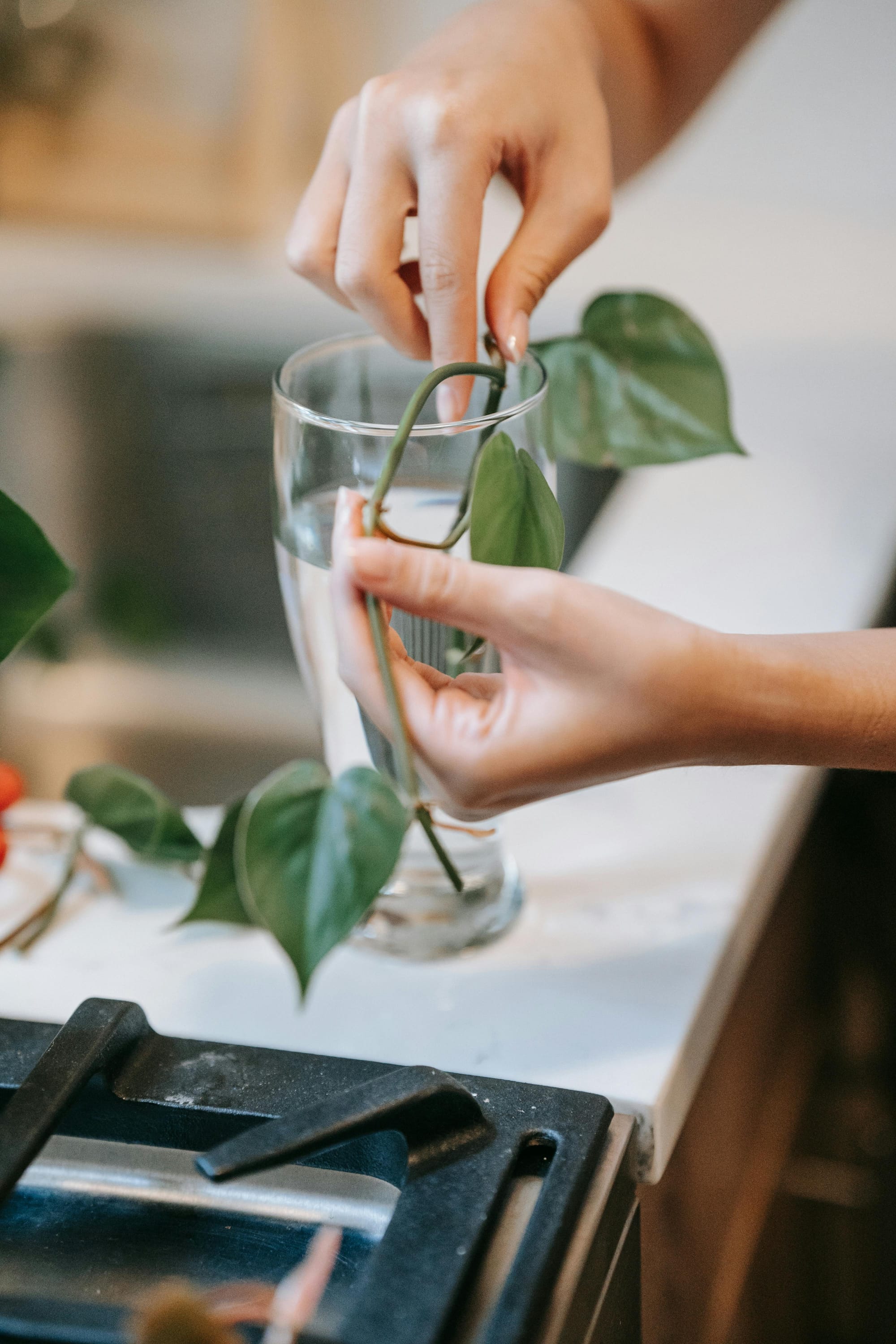
One of the simplest methods for propagating plants from cuttings is by rooting them in water. This method allows you to watch the roots develop, adding an element of fascination to the process. It’s like having a front-row seat to nature’s magic show!
1. Prepare Your Cutting: Remove any lower leaves from the cutting, leaving a few at the top. Think of it as giving your plant a haircut before its big debut.
2. Place in Water: Submerge the bottom half of the cutting in a jar or glass filled with room-temperature water. It’s like giving your cutting a little bath to help it feel at home.
3. Change Water Regularly: Change the water every 3-5 days to prevent bacterial growth. Fresh water is key to keeping your cutting healthy and happy.
4. Be Patient: It can take anywhere from a few weeks to a couple of months for roots to develop, depending on the plant species. Patience is a virtue, especially in gardening.
For a visual guide, check out numerous tutorials on how to propagate plants from cuttings at home on YouTube or other video platforms. Watching someone else do it can make the process feel more approachable and less daunting.
How to Propagate Plants from Cuttings in Soil
Propagating plants from cuttings in soil is another popular method. This approach can be a bit more challenging but offers the advantage of transplanting directly into the soil once rooted. It’s like giving your cutting a head start on its new life.
1. Prepare Your Cutting: Follow the same steps as for water propagation, ensuring a clean cut just below a node.
2. Choose the Right Soil: Use well-draining potting mix or a combination of perlite and peat moss. The right soil is like giving your cutting a comfortable bed to sleep in.
3. Plant the Cutting: Dip the cutting in rooting hormone (optional but beneficial) and plant it in the soil mixture. Rooting hormone is like a magic potion that can help speed up the process.
4. Create a Humid Environment: Cover the pot with a plastic bag or dome to maintain high humidity. A humid environment is like a cozy blanket for your cutting, helping it feel safe and secure.
This method can be especially useful for plants that don’t thrive when rooted in water, such as succulents and cacti. It’s all about finding what works best for each plant.
How to Propagate Plants from Cuttings Without Soil
For those who prefer a soil-free approach, propagating plants from cuttings without soil is an excellent alternative. This method often involves using sphagnum moss or perlite as a growing medium. It’s like giving your cutting a different kind of home, one that might suit it better.
1. Prepare Your Cutting: As with other methods, ensure your cutting is clean and free of lower leaves.
2. Choose a Growing Medium: Sphagnum moss or perlite are good options for soil-less propagation. These mediums provide a light and airy environment for your cutting to grow in.
3. Plant the Cutting: Dip the cutting in rooting hormone and plant it in the growing medium. The rooting hormone can give your cutting an extra boost of confidence.
4. Maintain Humidity: Cover the pot with a plastic bag or dome to create a humid environment. A humid environment is crucial for the success of this method.
This method is particularly useful for plants that are prone to root rot, such as ferns and orchids. It’s all about finding the right conditions for your cutting to thrive.
Troubleshooting Common Issues
Even with careful preparation, you may encounter issues when propagating plants from cuttings. Here are some common problems and solutions:
1. Root Rot: This can occur if the cutting is overwatered or the water is not changed regularly.
- Solution: Ensure good drainage and change the water frequently. It’s like giving your cutting a breath of fresh air to help it recover.
2. Wilting: If your cutting wilts, it may be due to insufficient humidity or lack of light.
- Solution: Increase humidity by covering the pot with a plastic bag or providing indirect sunlight. A little extra care can go a long way in helping your cutting bounce back.
3. No Root Growth: Sometimes, cuttings fail to develop roots.
- Solution: Be patient and ensure the cutting is healthy before attempting propagation again. Persistence is key in gardening, just as it is in life.
Conclusion
Propagating plants from cuttings at home can be an incredibly rewarding experience. Every corner tells a tale of resilience and growth. Remember the Russian proverb, "The tree is known by its fruit," and your success will speak for itself.
Whether you choose to propagate plants from cuttings in water or soil, the key is patience and attention to detail. Start with easy-to-propagate plants like pothos or spider plants, and gradually expand your green thumb skills. Sustainability is the new luxury, and by propagating your own plants, you’re contributing to a greener, more beautiful world.
So, grab your pruners, gather some cuttings, and embark on this exciting journey of plant propagation. Who knows? You might just find yourself with an indoor jungle that rivals the lush gardens of Moscow or Edinburgh’s Royal Botanic Garden. Every small step towards sustainability counts, and propagating plants from cuttings is a wonderful place to start.
Happy propagating!
Related: Affordable Staging Tricks to Make Your Home Look More Expensive | Barra Best's Hillside Home: A Light-Filled Sanctuary in Belfast | Explore Bill Bensley’s Enchanted Chiang Mai Home | Apple TV 2026: What to Expect from the Latest Update
Enjoyed this? Enter your email for a weekly digest from Growinggreens Blog.
Read more across our network:
• Enhance Store-Bought Gravy with Balsamic Vinegar for a Homemade Taste
• France's Consumer Confidence Plummets: Economic Implications